
Your child has begged for a keyboard for three birthdays in a row. You’ve finally booked them in for a beginner music lesson. Now you’re wondering whether they’ll love it, hate it, or spend the whole session hiding behind your leg.
First-lesson nerves are normal for kids and parents, but knowing what happens during those first 30 to 45 minutes makes a real difference to how it goes. If you’ve been looking into music lessons for kids in Melbourne and aren’t sure what the first session will look like, here’s the honest rundown.
The Quick Rundown:
- First lessons are introductions, not auditions. There are no prior skills required.
- Expect your child to explore, chat, and play more than “study”.
- Most beginner music lesson sessions run 30 minutes for younger kids, up to 45 minutes for older students.
- Parents can often sit in with younger children; check with your tutor beforehand.
- Bringing an open mind matters more than bringing the right notebook.
What Happens in a Beginner Music Lesson for Kids?
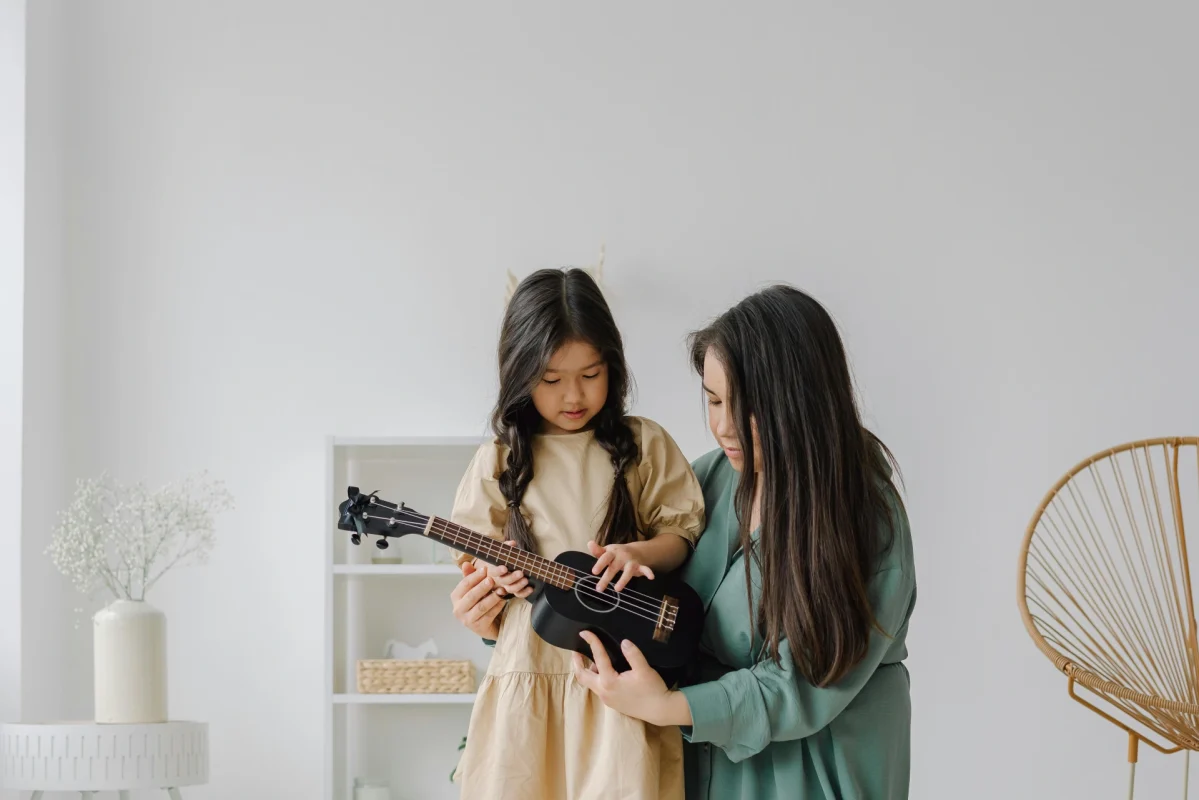
The first session is less about technique and more about connection. Your child’s tutor will introduce themselves, ask about your child’s favourite songs or artists, and get a sense of what drew them to the instrument. From there, they’ll move to the instrument itself, sitting at the piano, holding the guitar properly, or getting comfortable behind a drum kit.
A typical beginner music lesson includes a short demonstration, a few simple hands-on exercises (like playing a single note, tapping a rhythm, or finding the beat), and a quick chat at the end about what to try at home. There’s no expectation of perfection. This first session is to gauge attention span, coordination, and confidence, so they can plan future lessons based on what they observe.
Why the First Session Is So Important
The first lesson sets the tone for everything. That’s why our approach to music lessons for kids puts comfort and curiosity at the forefront, not drills and scales. If a child leaves the first lesson feeling capable and interested, they’ll come back eager to try again. If they walk out feeling overwhelmed, the uphill battle starts early.
Several of our tutors at Bumblebee Centre have trained under Professor Ronald Farren-Price, one of Australia’s most respected classical pianists. That training has shaped how we teach. Technique matters, but so does reading the student in front of you. We keep our class sizes moderate in group settings and offer one-on-one and small-group options. Each child can progress at a pace that suits them.
How to Prepare Your Child (and Yourself) for the First Lesson
Preparation isn’t as complicated as you think. A few small things go a long way:
- Arrive 5 to 10 minutes early so your child settles in without rushing.
- Give them a small snack beforehand (hungry kids struggle to focus).
- Bring the instrument if it’s portable. Piano and drum students don’t need to bring anything.
- Chat positively about the session without building unrealistic pressure: “You’ll meet your teacher and try some sounds” is better than “this is a big day!”
If your child is especially shy, mention it to the tutor in advance. A good teacher will adjust the first few minutes so your child eases into the lesson rather than feeling put on the spot.
What Children Learning Music Do in Week One
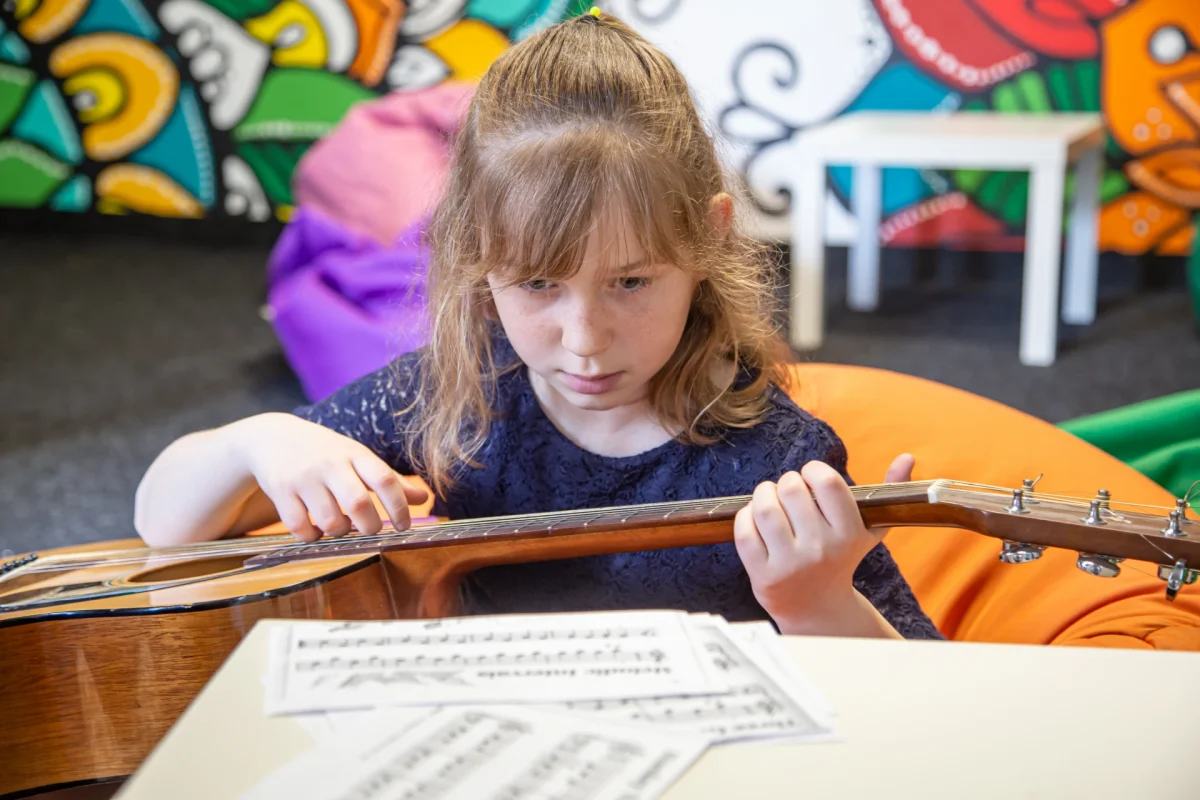
Children learning music for the first time typically spend week one on three things: posture, sound, and rhythm. For piano, that means learning how to sit at the bench and finding middle C. For guitar, it means holding the instrument correctly and plucking open strings. For drums, it often means keeping a steady beat with one hand before adding coordination later.
Expect games, clapping exercises, and plenty of trial and error. Younger students, especially those in early primary school, thrive on movement and play. Older kids and teenagers get more structured exercises, often with a small practice task to work on before the next lesson. Children learning music this way tend to stick with it because the process feels natural, not forced.
Music Lessons for First Graders (Year 1 in Australia)
Enrolling your child in music lessons for first graders (year 1 in Australia) is a great time to start. Kids at that age have the motor control for piano lessons for beginners, enough patience for short, structured tasks, and bucketloads of curiosity. We see strong results with year 1 students when lessons stay short, engaging, and pressure-free.
For six- and seven-year-olds, first lessons lean heavily on games, singing, and exploration. For families interested in drum lessons for children or guitar classes for kids, we match instruments to the child’s size with smaller guitars and lower drum stools. This makes the experience feel comfortable rather than awkward.
Finding the Right Fit for Every Student
Not every child learns the same way, and honestly, neither do adults. Some students thrive in one-on-one settings where they have the full attention of their tutor. Others do better in small groups, where they can watch, copy, and bounce ideas off peers. We run both formats because rigid thinking doesn’t belong in music education.
If you’re booking music lessons for kids or exploring extracurricular activities for students for the first time, a trial session is the easiest way to see what fits. You’ll meet your child’s tutor, watch how they respond, and get a feel for whether the teaching style suits your child’s personality. Most parents know by the end of the first lesson whether it’s the right space for their child’s music journey.
After the First Lesson: What’s Next
Most tutors will set a short home task, usually five to ten minutes of daily practice for young kids, a bit longer for older students. The goal isn’t mastery; it’s building a rhythm. Practising in short, regular bursts provides better results than cramming once a week.
As the parent of children learning music, your role is simple: show interest, celebrate effort, and resist turning practice into a chore. Ask your child to play you what they learned. Clap along. Record them. Small bits of encouragement like that do more than strict schedules, and they make future music lessons feel like a highlight, not homework.
Ready to Book Your Child’s First Music Lesson?
At Bumblebee Centre, we believe beginner music lessons should leave every student feeling like they can actually do this. With tailored one-on-one and small-group options, and teachers who take the time to find the right fit for every learner, we make the start of your child’s musical journey as welcoming as it should be.
Book a lesson today to see how we work in person. Whether it’s a six-year-old starting piano, a year 3 student picking up drums, or an adult finally giving guitar a go, the first lesson is where everything begins.
