
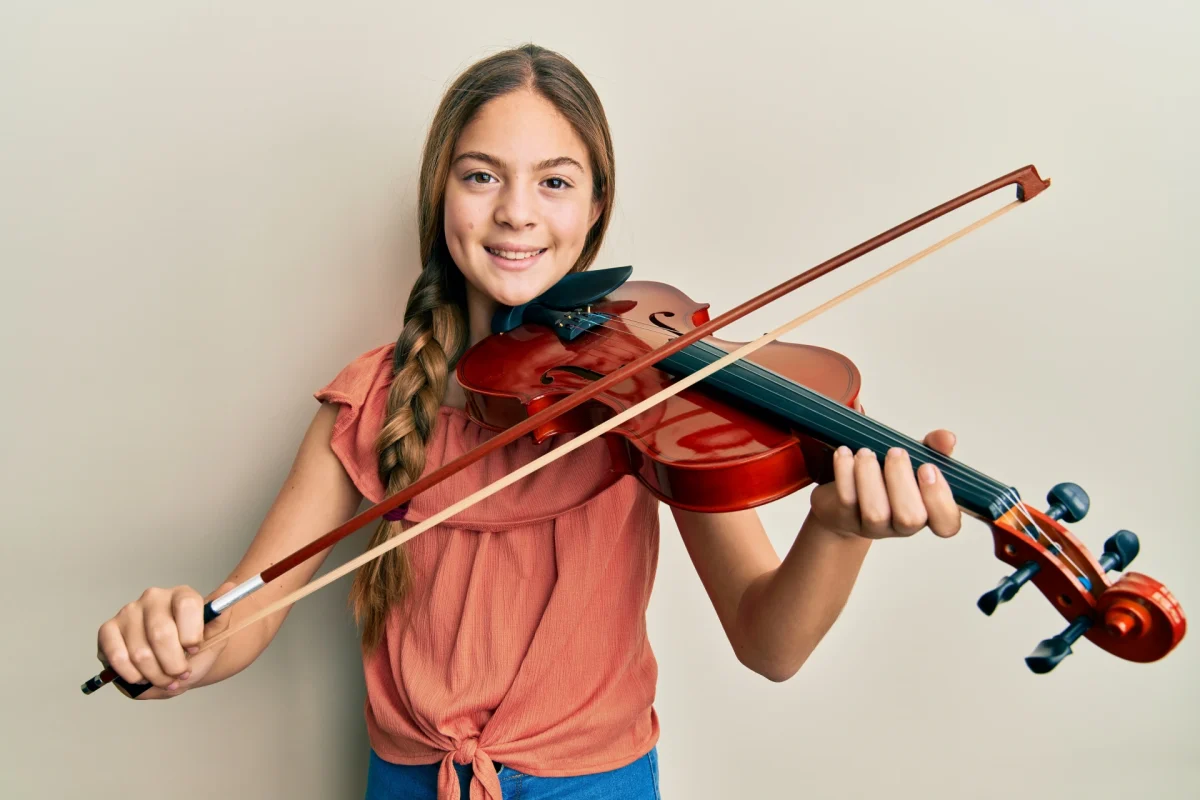
Many parents know the feeling: it’s the first time your child sits down at the piano in front of an audience, and you realise your stomach is more knotted than theirs. If you’re trying to figure out how to prepare for a musical performance without turning the lead-up into a fortnight of tears for your little one, this is your guide.
Performance nerves in young musicians aren’t rare or a sign that something’s wrong. In fact, nerves are normal, and the way you prepare in the weeks before the performance matters far more than talent on the day.
The Quick Answer:
- Start preparing 4-6 weeks out, not the night before. Muscle memory needs time to settle.
- Practice performing the piece, not just the notes. Run it from start to finish, mistakes and all.
- Simulate the conditions. Stand up, walk in, announce the piece, play to relatives or even stuffed toys.
- Visit the venue beforehand if possible. Familiar spaces lower anxiety significantly.
- Keep performance day calm and low-pressure. The goal is to share music, not chase perfection.
Start Earlier Than You Think
Most parents underestimate how long preparation actually takes. Two weeks of frantic practice before a recital tends to backfire; your child arrives exhausted, over-rehearsed, and convinced one skip means disaster.
A better timeline of how to prepare for a music exam or performance looks like this:
- 6 Weeks Out: The piece should be fully learnt, including notes, fingering and dynamics
- 4 Weeks Out: Memorisation locked in (if performing from memory)
- 2 Weeks Out: Daily run-throughs from start to finish, no stopping for mistakes
- Final Week: Light, focused practice. Rest the hands. Build excitement, not pressure
How to Prepare for a Music Exam or Recital: Practise the Performance, Not Just the Piece
Here’s the gap that most beginners fall into. They can play the piece beautifully when sitting alone in their bedroom. But when the audience walks in, everything falls apart.
The fix is simple, but underused: practice the whole experience, not just the music. If you’re working out how to prepare for a music exam, the same principle applies. Examiners and audience create a setting your child has likely never rehearsed in. Try these mock-performance drills at home:
- Have your children stand up, walk to the instrument, sit down, take a breath, then begin, just like the real thing.
- Play in front of grandparents, siblings, even pets. Any audience helps.
- Record a video of each run-through; watching it back builds self-awareness without judgment.
- Do “first-time-only” play-throughs. No stopping, no restarting, no apologising for mistakes.
- Practice recovering from a slip. Mistakes will happen, and the skill is in carrying on smoothly.
The last one matters more than you might think. Beginners often stop and restart the moment something goes wrong, which trains them to fall apart at the first minor stumble. Audiences don’t notice small mistakes nearly as much as they notice a panicked restart.
How to Help a Child With Stage Fright
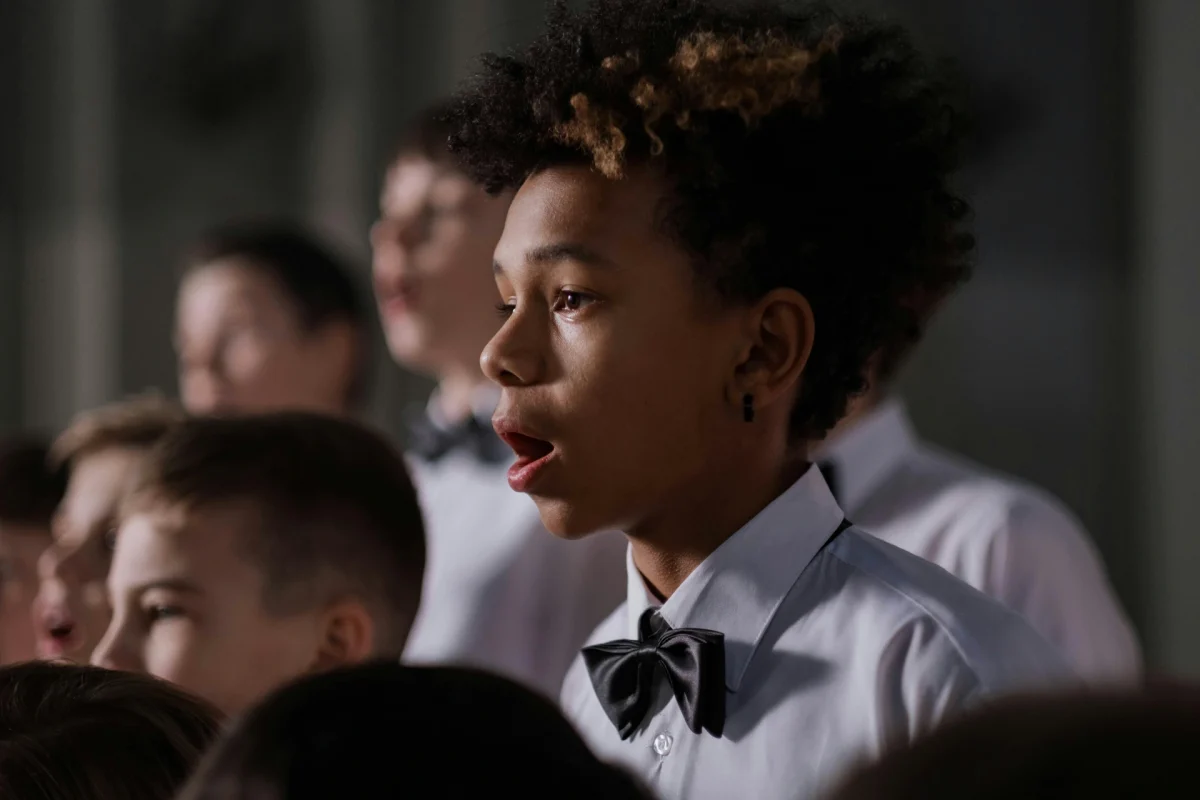
If your child is nervous, please don’t tell them not to be. Nerves are a signal that something matters, and trying to talk them out of it usually makes things worse.
Knowing how to help a child with stage fright is less about eliminating nerves and more about reframing them. Even seasoned musicians feel butterflies before hitting the stage; the difference is that they’ve learnt to channel that energy rather than fight it.
Here’s what helps:
- Normalise the feeling: “Of course you feel nervous, that means you care. Even concert pianists feel this.” This is true and reassuring.
- Teach slow breathing: Four counts in, six counts out, repeated three times before walking on. It physically slows the heart rate.
- Anchor the start: Most stage fright peaks in the first ten seconds. If your child knows the opening bars cold, the rest tends to flow.
- Avoid the “are you nervous” question: Asking it five times before the performance plants the seed deeper each time.
- Don’t list who’s watching: “Grandma drove three hours to see you!” is well-meaning, but it adds pressure a child doesn’t need.
For children with severe performance anxiety, look for teachers who actively build performance opportunities into lessons. Our small-group classes at Bumblebee Centre are designed exactly this way: regular, gentle exposure to help your little one get comfortable performing in a supportive setting before any formal recital.
What to Do on Performance Day
The day itself should feel like any other day, only calmer. Resist the urge to schedule a marathon practice session; your child’s preparation is already done. A relaxed pre-performance routine works wonders:
- Eat a normal, light meal a couple of hours before the performance. Nothing too sugary or heavy.
- Dress in performance clothes earlier in the day so they feel familiar, not stiff and uncomfortable.
- Arrive 20-30 minutes early so there’s no rushing around.
- Let your child warm up briefly if there’s a quiet space to do so.
- Skip the last-minute corrections. “Remember to slow down in bar 12” is the last thing they need to hear.
After the performance, celebrate that they did it, not how well they did it. Asking “What was your favourite part?” will make them feel much more at ease than asking “Did you remember the dynamics?”
When the Right Teacher Makes All the Difference
A lot of performance stress comes from how preparation is handled in the weeks leading up to it. A teacher who only measures success by competition results or exam grades inadvertently feeds anxiety. Teachers who encourage realistic goal-setting and enjoyment of playing across different conditions are far less likely to create or reinforce anxiety.
This is something we take seriously at Bumblebee Centre. Whether your child is in private piano lessons for kids or guitar classes for children, we tailor how to prepare for a musical performance or exam around each individual student. Some thrive in one-on-one sessions; others gain confidence from small-group settings where performing for peers becomes part of the weekly rhythm.
If your little one is just starting out and you’re wondering what to expect from your child’s first lesson, we’ve covered that separately.
Ready to Build Real Performance Confidence in Your Little One?
Preparing for a musical performance shouldn’t feel like a battle for children. With the right teacher, sensible timing, and an approach that builds confidence rather than fear, your child can walk the stage feeling ready.
At Bumblebee Centre, our experienced teachers, including several mentored by Professor Roland Farren-Price, work with beginner and advanced students across Melbourne to build musicianship and performance resilience. Book a lesson today and let’s set your child up for a performance experience they’ll feel proud of.
